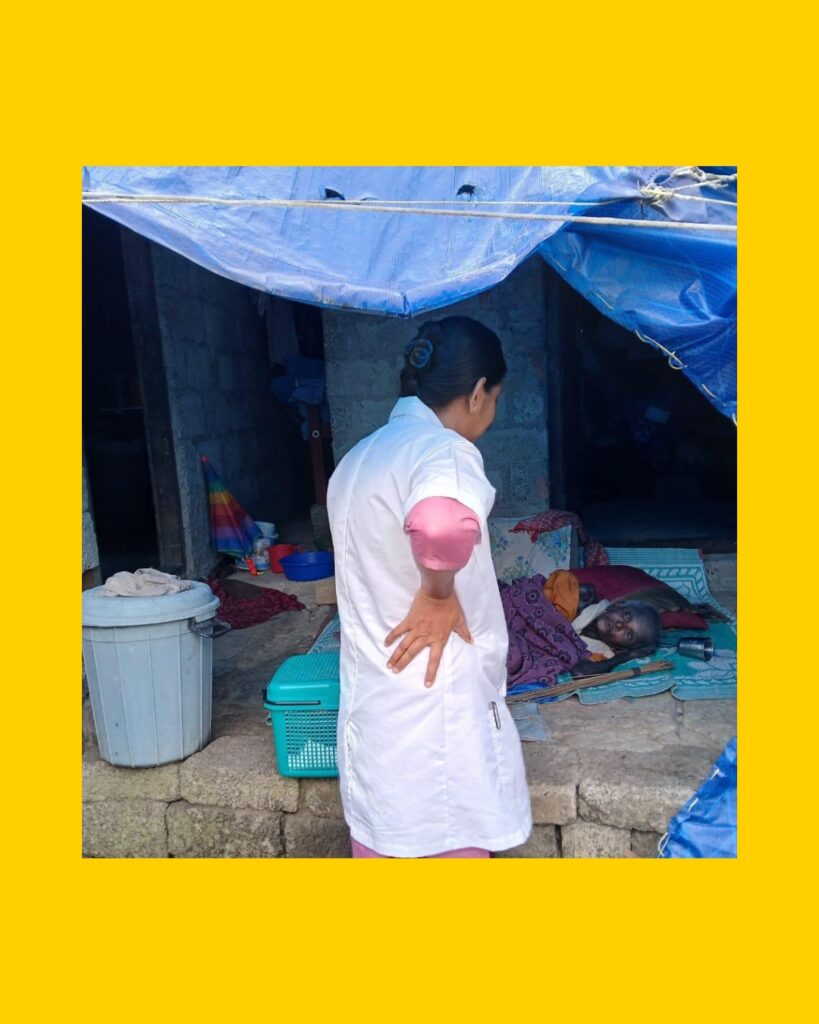
Placing dignity, comfort, and presence at the centre of healthcare
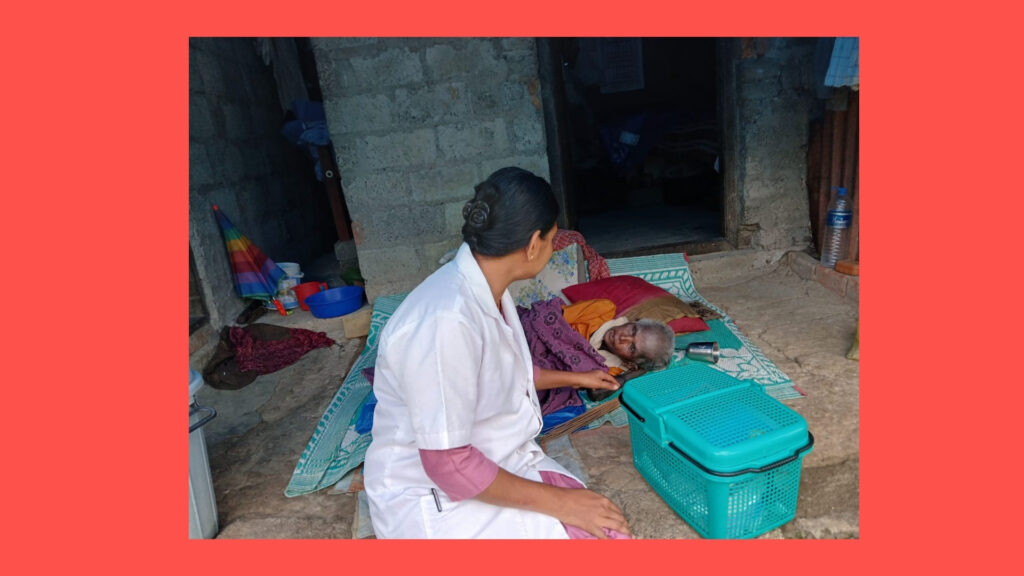
Modern healthcare is often built around cure. Yet for thousands living with chronic and life-limiting illness, cure is no longer the destination. What remains essential is comfort, dignity, and presence.
This is the philosophy of palliative care.
Palliative care prioritises quality of life; relieving pain, managing symptoms, offering emotional and psychological support, and standing alongside families through illness and loss. It affirms life, recognises dying as a natural process, and ensures that no one is left to suffer in isolation. Joy of Helping (JOH) supports compassion-driven healthcare models that acknowledge this reality. In regions like Kuttanad, where poverty, illness, and environmental vulnerability intersect, palliative care fills gaps that hospitals cannot. Home-based care ensures continuity, particularly for patients who cannot travel or sustain long-term institutional treatment.
Beyond medical support, palliative care restores dignity. It allows people to remain in familiar spaces, surrounded by family, receiving consistent and respectful care. For many, it makes possible not just a peaceful death, but meaningful living until the end.
JOH’s commitment to such models reflects long-term, ethical thinking. By strengthening community-based palliative care, physiotherapy services, and trained care teams, JOH invests in healthcare that is humane, inclusive, and accessible.
When cure is not possible, care still is. And when care is guided by compassion, it becomes an act of justice.