Why care must continue even when disaster cuts off access
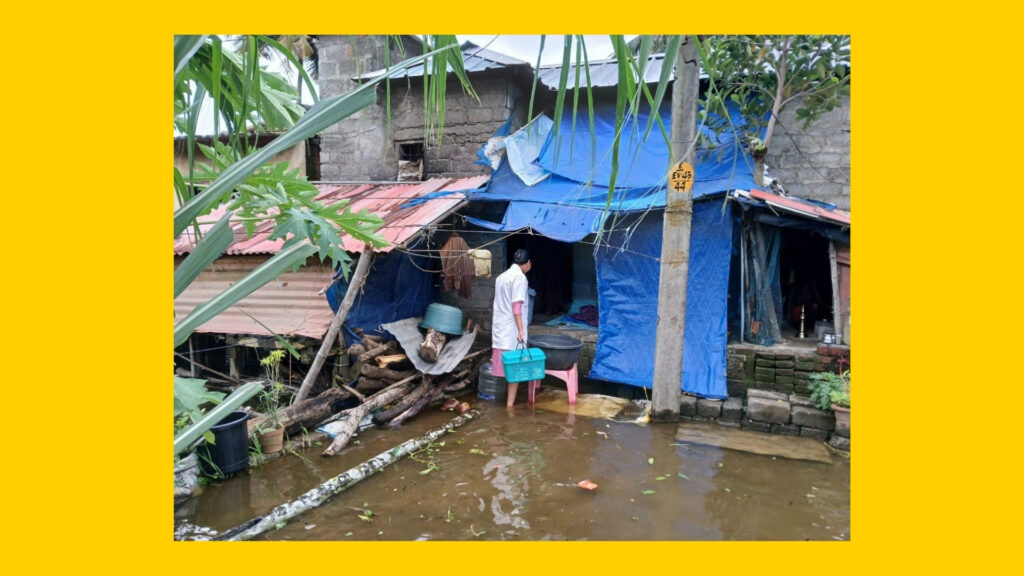
In Kuttanad, floods are not disruption to life; they are a habitual condition. With water levels rising, roads will vanish, transport will halts, and access to hospitals will collapses. For bedridden patients, the chronically ill, and those nearing the end of life, floods do not just disrupt care, they threaten abandonment. This is the reality and one has to accept but here palliative care becomes more than healthcare as it becomes a lifeline for all the affected ones.
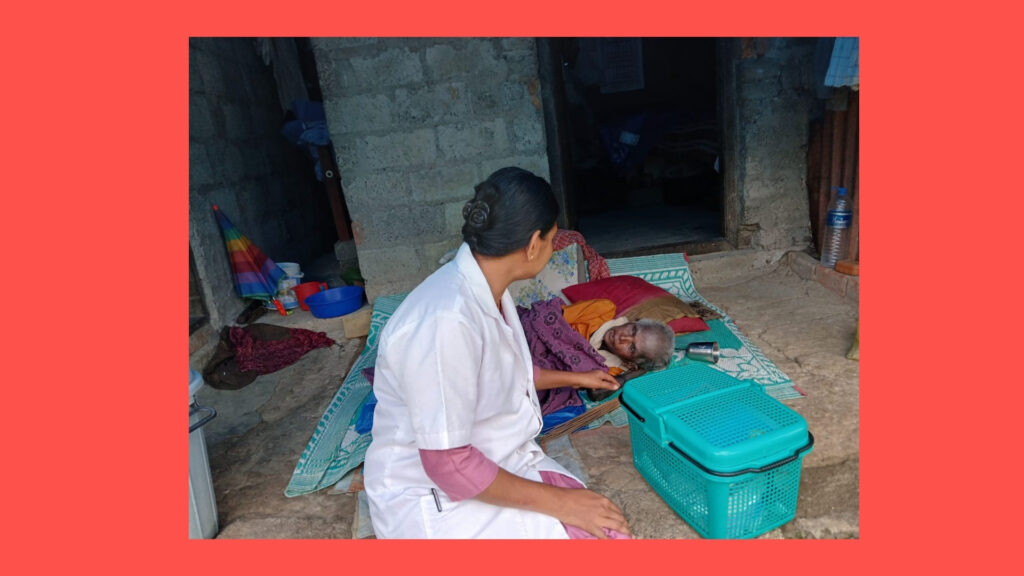
Even during floods, palliative care teams in Kuttanad continue to reach patients in their homes; walking through waterlogged paths, carrying medicines, equipment, and reassurance. Joy of Helping (JOH) supports this frontline work by strengthening systems that ensure care does not disappear when conditions worsen.
Palliative home care here focuses on pain relief, respiratory support, nursing care, physiotherapy, and emotional presence. For many patients, it is the only form of healthcare available. When families cannot move the sick, care moves towards them. The role lies in standing with organisations and healthcare workers who operate at the fragile edge between illness and dignity. Doctors, nurses, and volunteers place compassion above comfort, continuing visits not because it is easy, but because it is essential.
In times of crisis, care often becomes conditional. JOH works to ensure it does not. By supporting palliative care during disasters, JOH helps protect dignity when people are most vulnerable.
Because in Kuttanad, care does not wait for dry land.