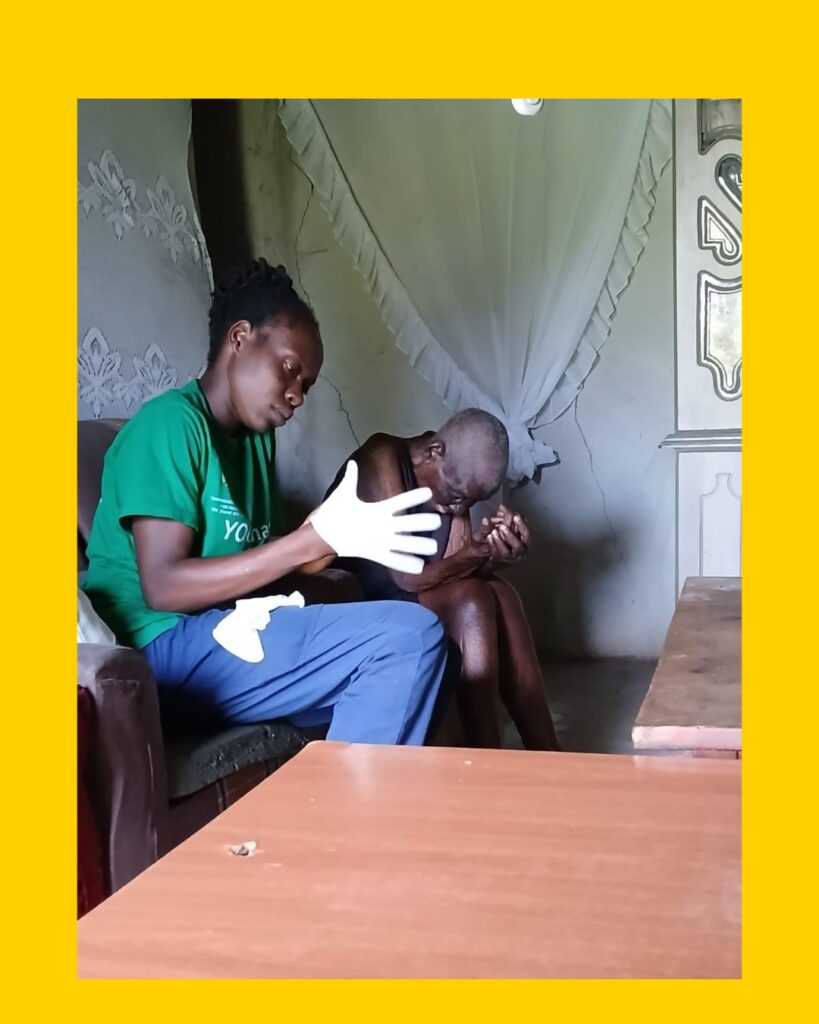
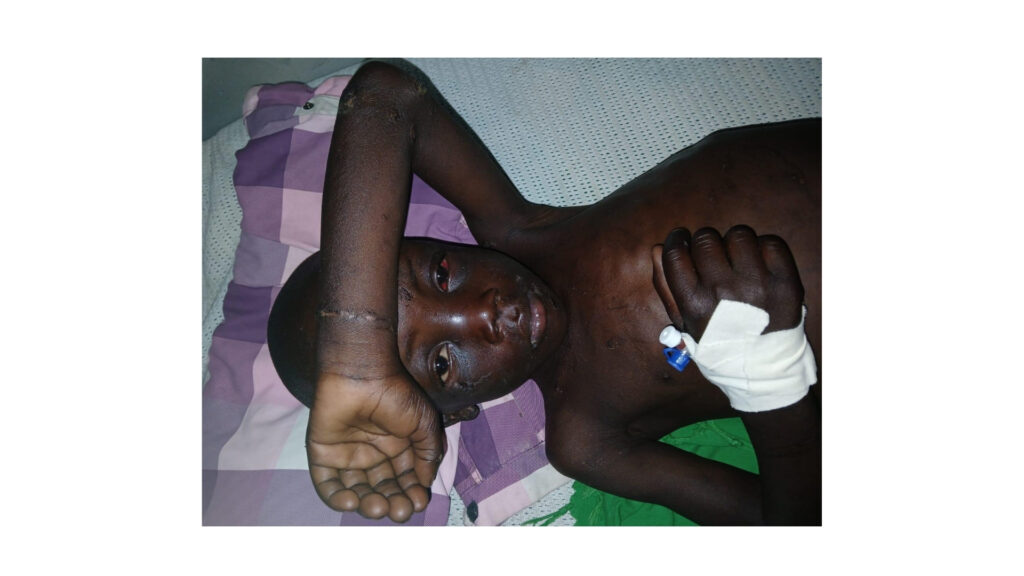
Rescue is often seen as the end of danger. In reality, it is only the beginning.
Child protection is often discussed in terms of rescue operations, counselling, and legal processes. What receives far less attention is the physical environment that holds all of this together. Yet without safe, functional spaces, protection remains incomplete.
Joy of Helping (JOH) approaches infrastructure not as construction, but as safeguarding. For children rescued from abuse and exploitation, the space they enter immediately after rescue determines whether safety is sustained or compromised. Overcrowded rooms, lack of privacy, and temporary arrangements can deepen trauma rather than relieve it. By funding the expansion of temporary shelters, JOH reframes infrastructure as a values-driven intervention. A shelter is not just a roof, it is a controlled, dignified environment that allows trauma-informed care to function.
It ensures separation from harm, restores a sense of security, and creates the conditions necessary for recovery. JOH’s dignity-first philosophy recognises that children require more than survival. They require privacy, personal space, and stability. Supporting physical infrastructure allows frontline organisations to uphold care standards without being forced to choose between capacity and compassion.
For institutional partners and CSR stakeholders, this approach reflects a deeper understanding of impact. Infrastructure investments create long-term protection systems rather than short-term relief. When built with intention and accountability, safe spaces become one of the most powerful tools in child protection.
Because safeguarding does not begin with services alone, it begins with space.