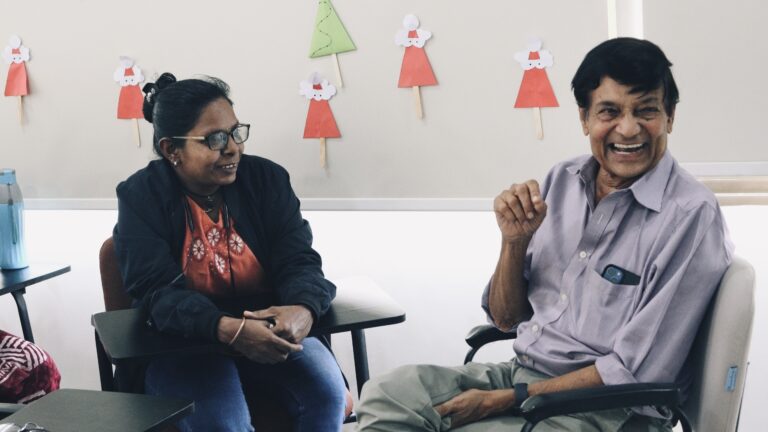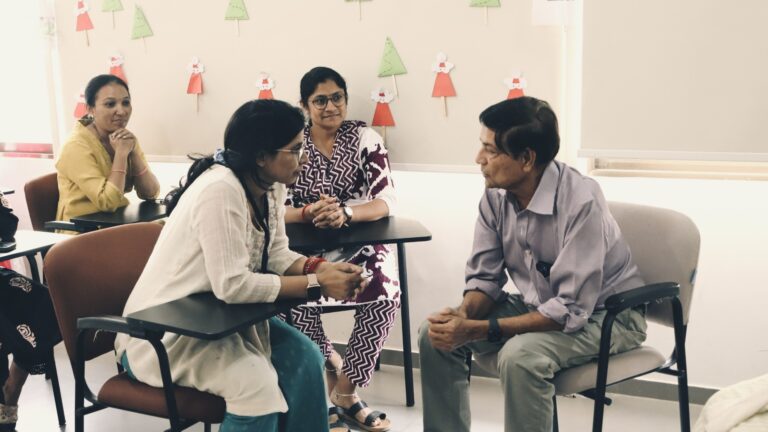
Mothers are born to be resilient, a word specifically intended to describe what a mother is. Mothers are strong. Mothers are independent. Mothers are hardworking.
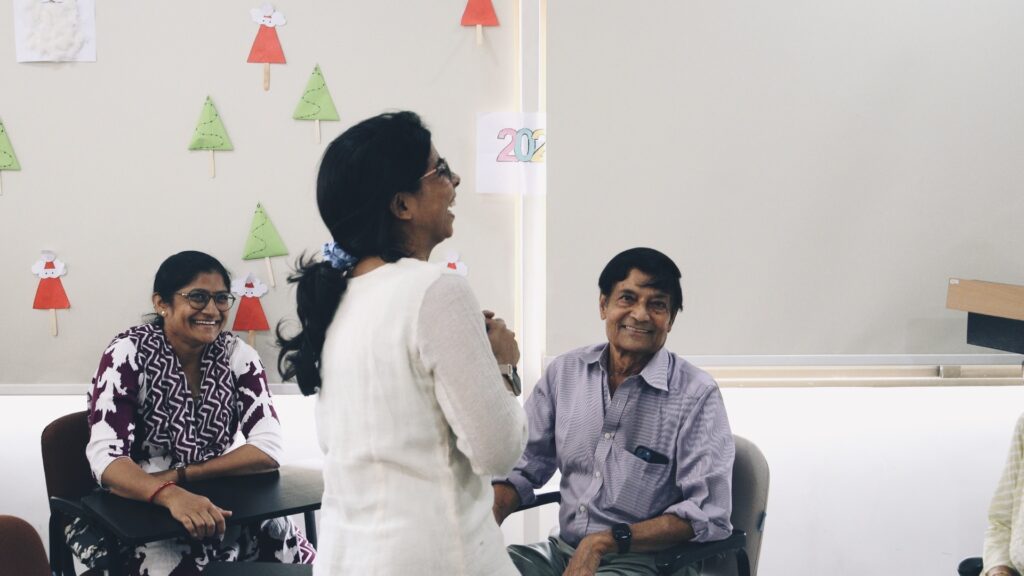
Being a mother is a blessing and a responsibility, it demands patience, love, care, and constant strength. But when it comes to specially abled children, their mothers journey becomes even more layered with immense emotions, challenges, learning, and courage to fight for their kids right which often remains unseen by the society. The best part at the NGO was that only mothers were present. Some of them were working women, some were hardworking housewives, but both were balancing their personal and professional lives along with the responsibility of taking care of their children.
During the discussion they spoke very openly about their experiences, their doubts, the confusion they still have sometimes, and the small improvements they see in their children every day which slowly give them hope and motivation to keep going. One mother shared that she travels almost 100 kilometres every single day just so her son can attend the sessions at the centre.
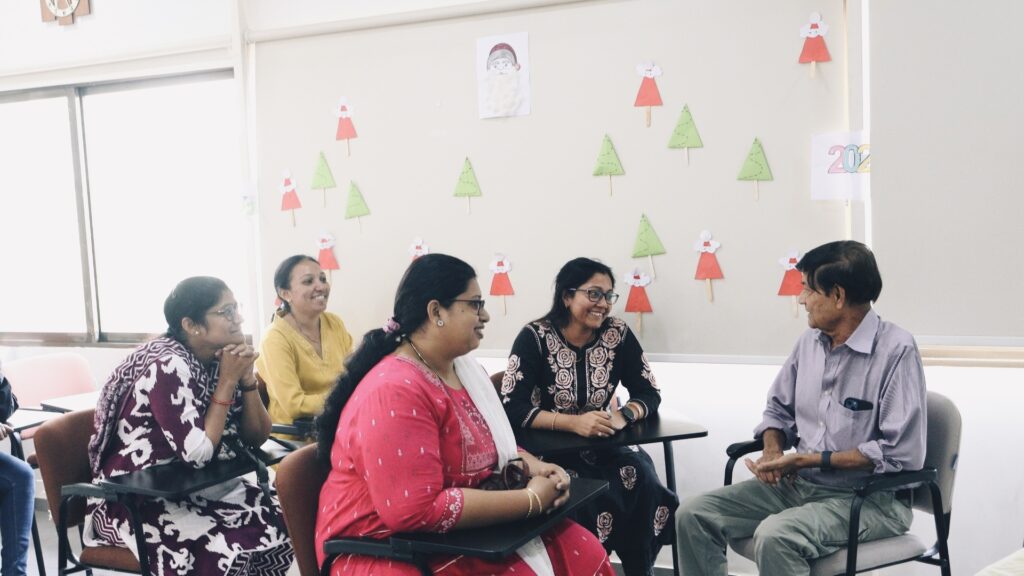
While talking about her journey she explained how earlier her child would often collide with pillars and walls because he was not aware of the spaces around him and didn’t have much control over his movement. But now, after continuous training and support, he has started recognising spaces, walking independently, and even going to his classroom by himself. For her, this small change felt like a very big milestone.
Another mother spoke about the difficulty her child faces with gripping objects. She explained that even simple tasks like holding things properly or writing becomes very challenging for her child, but through therapy and constant practice they are slowly finding ways to improve these abilities. It is still difficult, but there is progress.
Technology has also slowly started becoming part of their children’s learning. Some parents mentioned how tablets and assistive devices help their children understand activities better, communicate their needs, and stay engaged during learning sessions.
Some mothers also reflected on the decisions they had made earlier. One woman shared that she once shifted her child to another specially abled school because she thought it would be a better option. But later she realised that the environment there was not suitable for her child and the support system was missing. Eventually she brought her child back and said she sometimes regrets leaving a place where her child was actually understood.
Apart from learning and development, many mothers also spoke about the social challenges their children face outside. Some children experience bullying or verbal harassment from others, and this becomes emotionally painful not only for the child but also for the parents who constantly worry about their child’s dignity and safety.
Still, despite all these struggles, many mothers proudly shared the progress their children have made. One parent spoke about how her child passed the 10th standard and scored around 80 percent. For them it was not just marks on paper, it was a moment of determination, patience and years of support finally showing results.
“Another concern that came up in the discussion was the difference between private schools and government schools when it comes to inclusive education.”
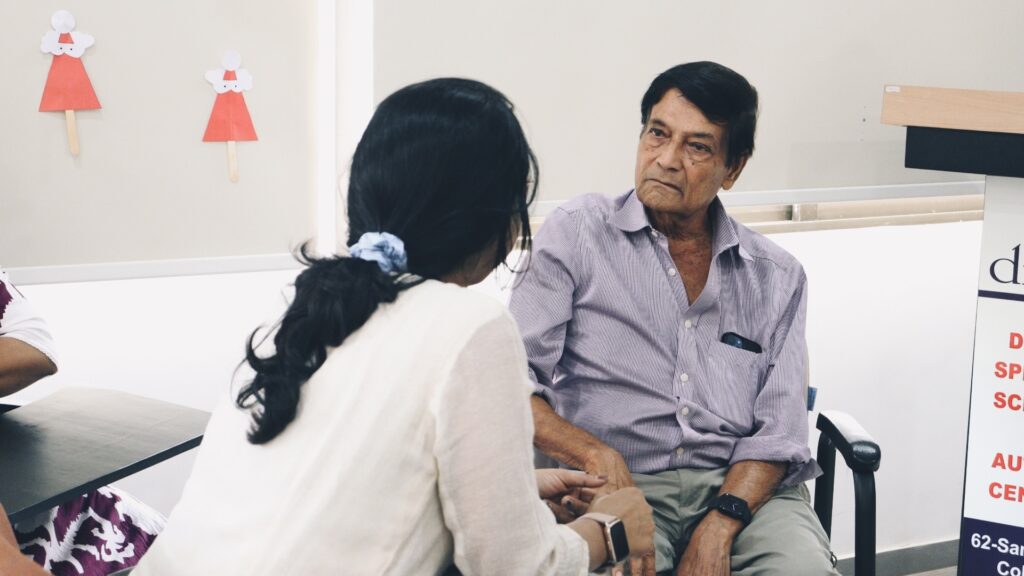
Some mothers explained that private schools sometimes ask parents to arrange and bring their own specially abled mentor who will sit with the child during class.
For many families this becomes financially and practically difficult. On the other hand, some government schools are slowly doing better by appointing special educators and support staff who assist these children during school hours.
Some teachers from schools also visit the centre to understand the children better. They ask about their triggers, their behaviour, and ways to support them in the classroom. Mothers appreciate this effort because it shows that some teachers are actually trying to understand their children instead of isolating them.
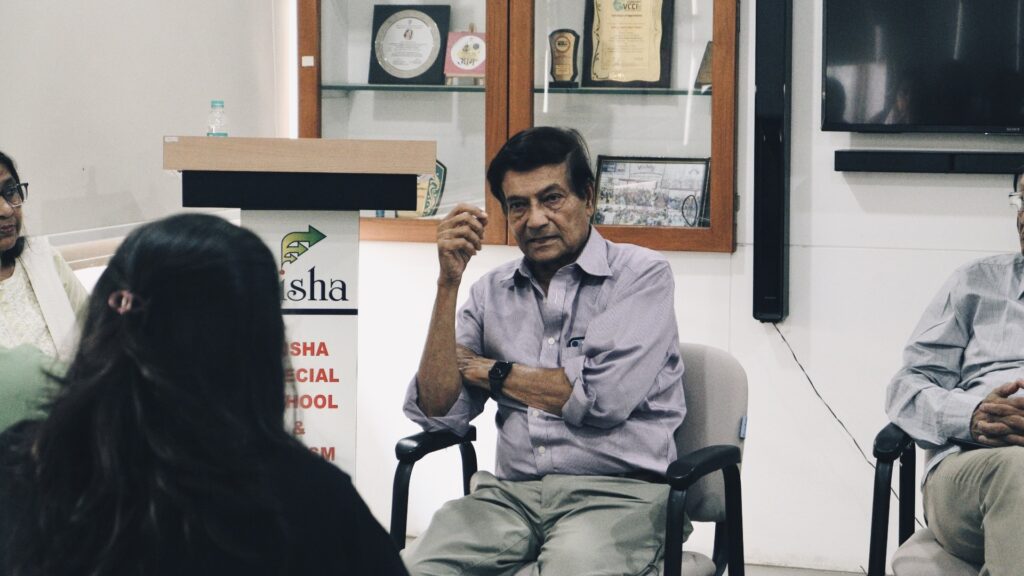
Along with all these conversations, the role of the NGO itself also becomes important. Organisations like JOY (Joy of Helping) try to create a space where both children and parents feel supported, understood and not judged. For many mothers, coming to the centre is not only about therapy sessions for their children, it is also about finding a community where they can speak freely, share their worries, and learn from the experiences of other parents who are walking through similar journeys.
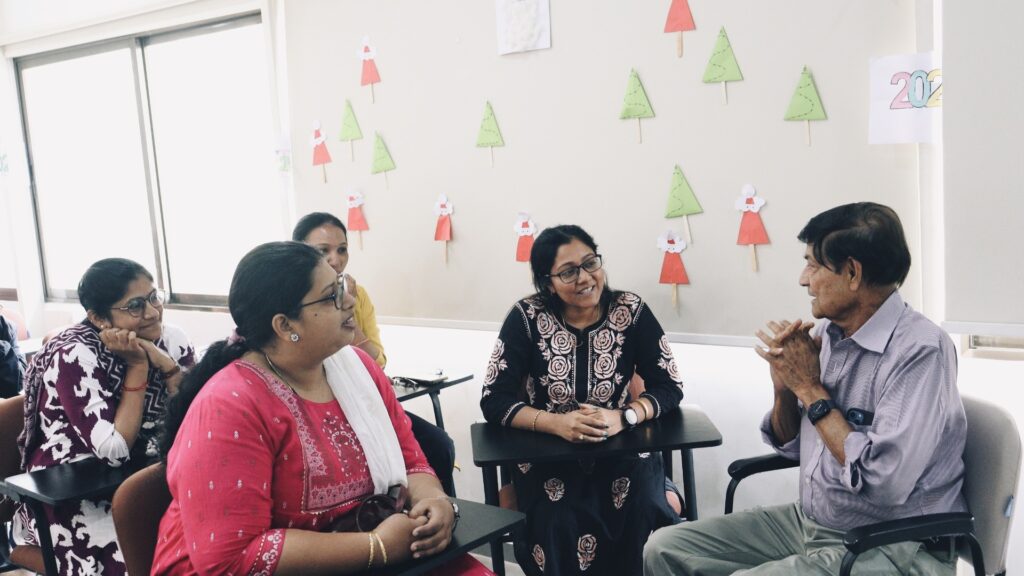
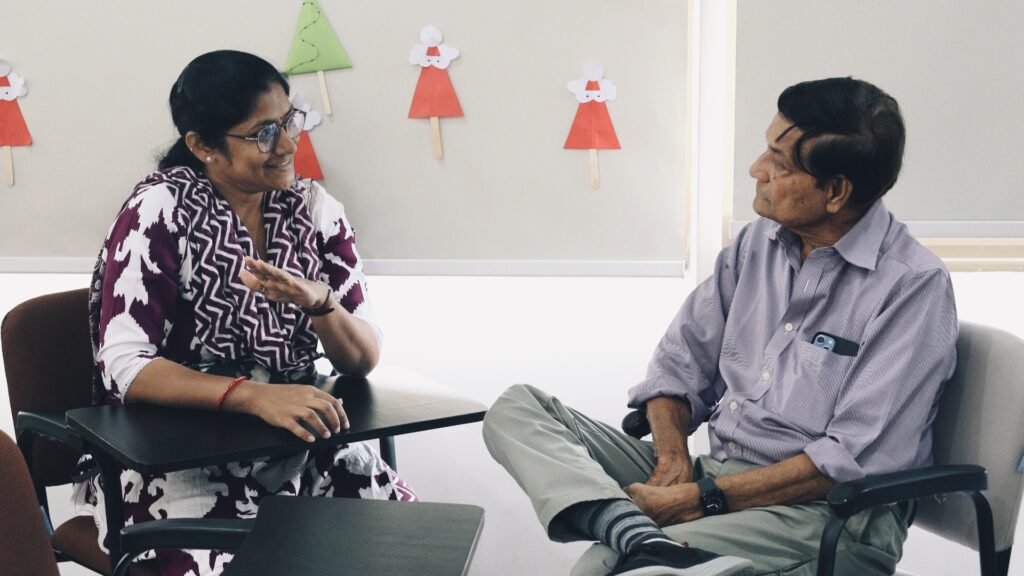
By the end of the conversation it became very clear that mothers of specially abled children carry many emotions together — hope, responsibility, exhaustion, worry, and also a lot of strength.
Their experiences remind us that disability is not just something to be managed medically, it is also a reality that teaches society to become more patient, more compassionate, and a little more humane towards people who experience the world differently.