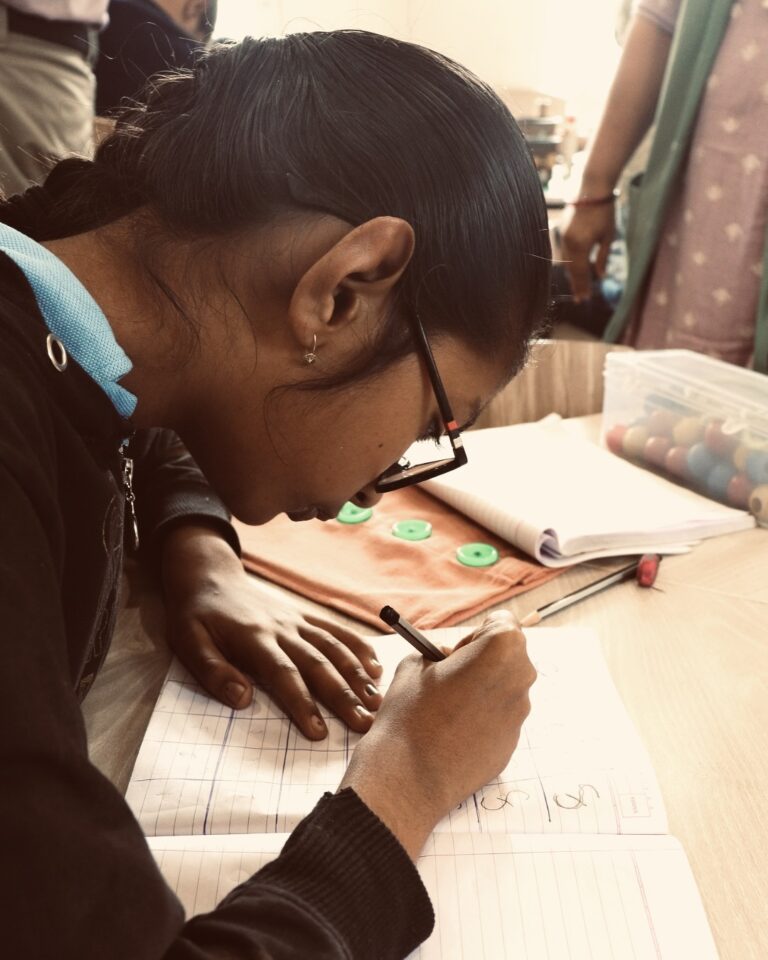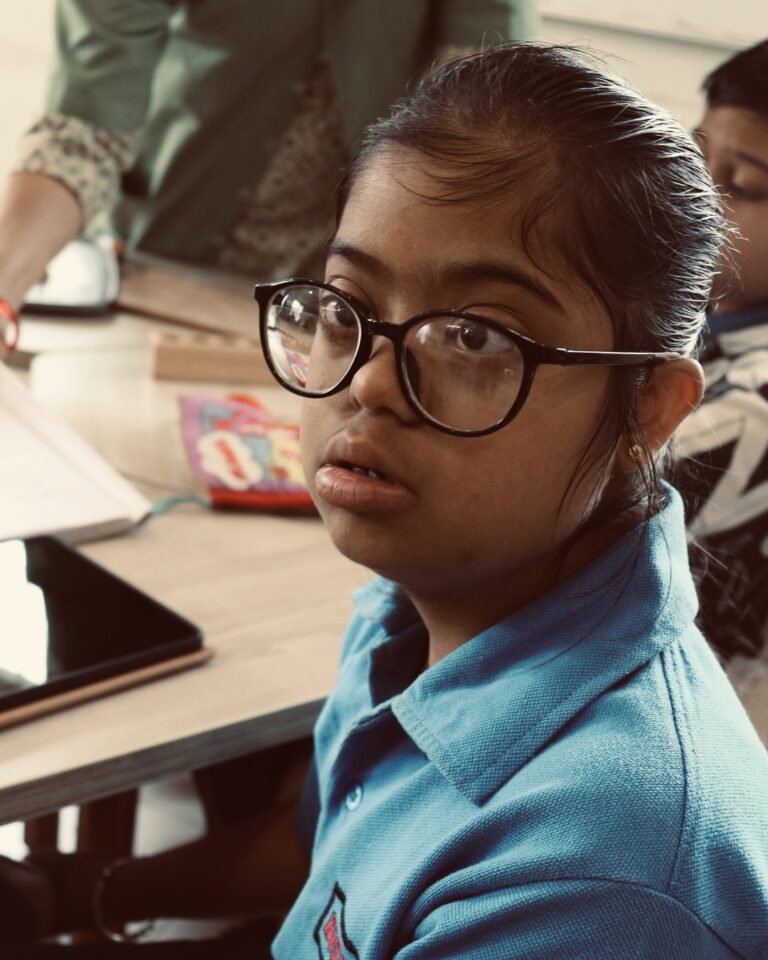
They are much more than that. its just a cover, the entire book is exceptional,
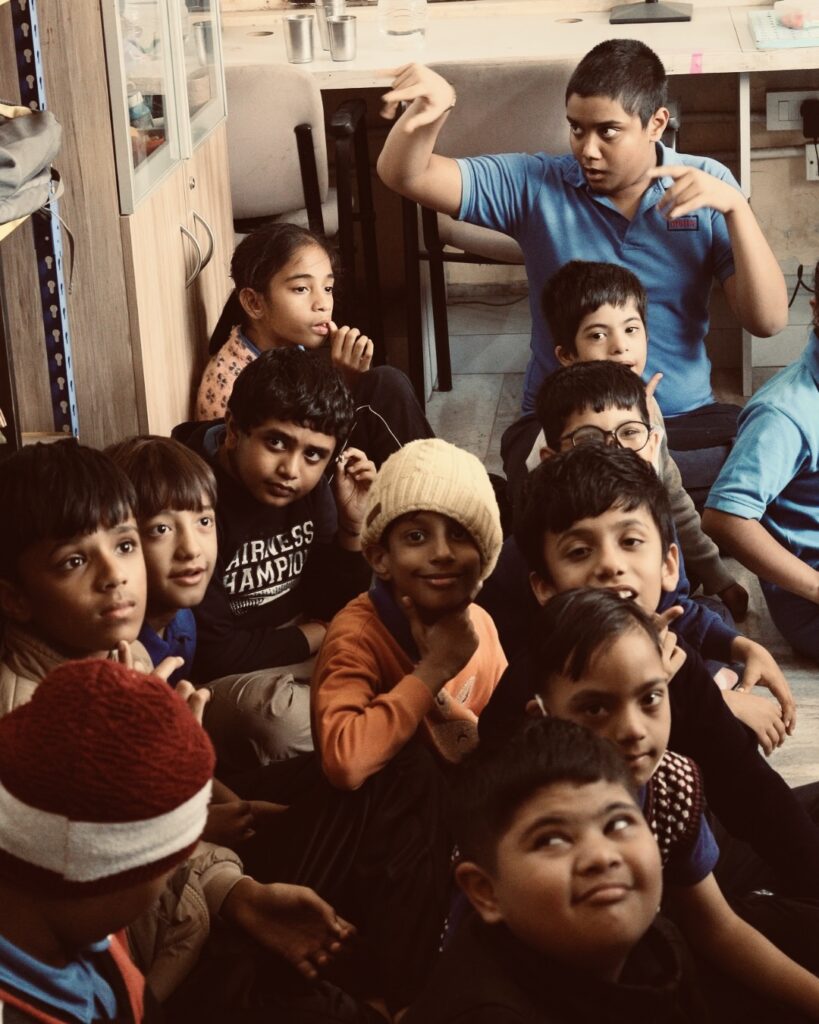
Specially abled children are seen only with pity eyes or ick for their disabilities, but when you actually spend time with them you will realise they are much more than that. its just a cover, the entire book is exceptional.
They are individuals with strong personalities, interests, moods, opinions, emotions and complete different unique way of understanding the world.
Society always focuses on what they cannot do, rather than noticing the many things they are capable of doing better than any human.
During the interactions and observations at the Disha NGO, it became very clear that many of these children have strong abilities, not just to understand but to express, invest and implement and when they are given the right support, patience, and environment, they slowly develop these features and the communication, learning, and independent living/survival skills which help them grow with confidence.
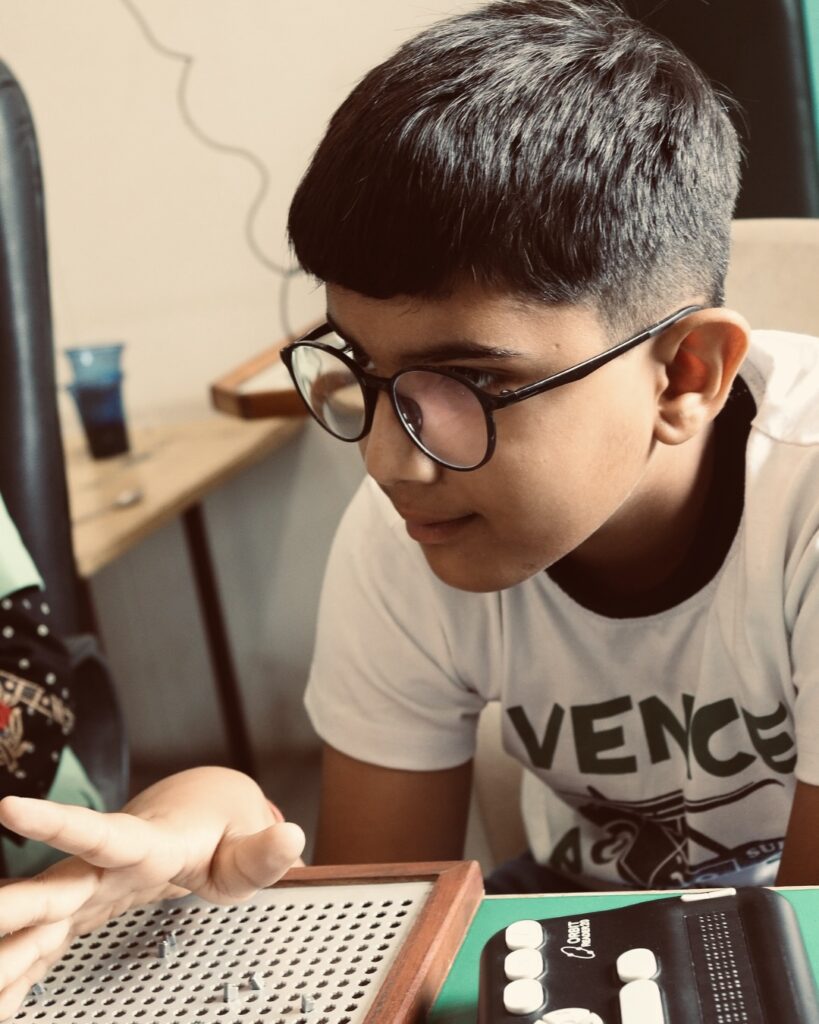
Rayan, is one of the best examples, an eleven-year-old child who has multiple disabilities including vision impairment, intellectual disability and physical challenges. These conditions make everyday tasks very difficult for him, and even simple activities require support and guidance, but through continuous therapy, structured training, and regular practice, he has started showing visible progress, especially in his body movements and communication, which was shared by his teacher as well as his own mother.
Since speaking verbally is difficult for him, communication cards are used as an alternative method. These cards contain simple symbols or signs that help him express his needs. For example, when a card related to the washroom is placed outside the washroom door, he taps on it to indicate that he wants to go. Even though he cannot clearly say it in words, he is still able to communicate what he needs, and sometimes he also responds through simple yes or no gestures.
Speech therapy and other communication methods are slowly helping him interact better with the people around him. It shows how alternative communication systems can create opportunities for children who struggle with verbal expression but still have things they want to say.
Another important focus while working with specially abled children is helping them become more independent in their daily lives, a primary goal of Joy of Helping.
This is why physical therapy, assistive devices, and different training activities are introduced so that children can slowly learn to perform tasks by themselves instead of always depending on someone else.

For children with autism, teachers try to integrate them into mainstream learning environments whenever possible.
At the same time, they also provide additional support like behavioural therapy, sensory activities, and speech therapy which helps children regulate their emotions, manage overstimulation, and improve their ability to learn.
However, one important thing teachers often explain is that, “every child functions at a different developmental level, even if they belong to the same age group.”
Because of this, teaching methods cannot always follow strict age-based expectations. Instead, learning is adjusted according to the child’s psychological and cognitive level.
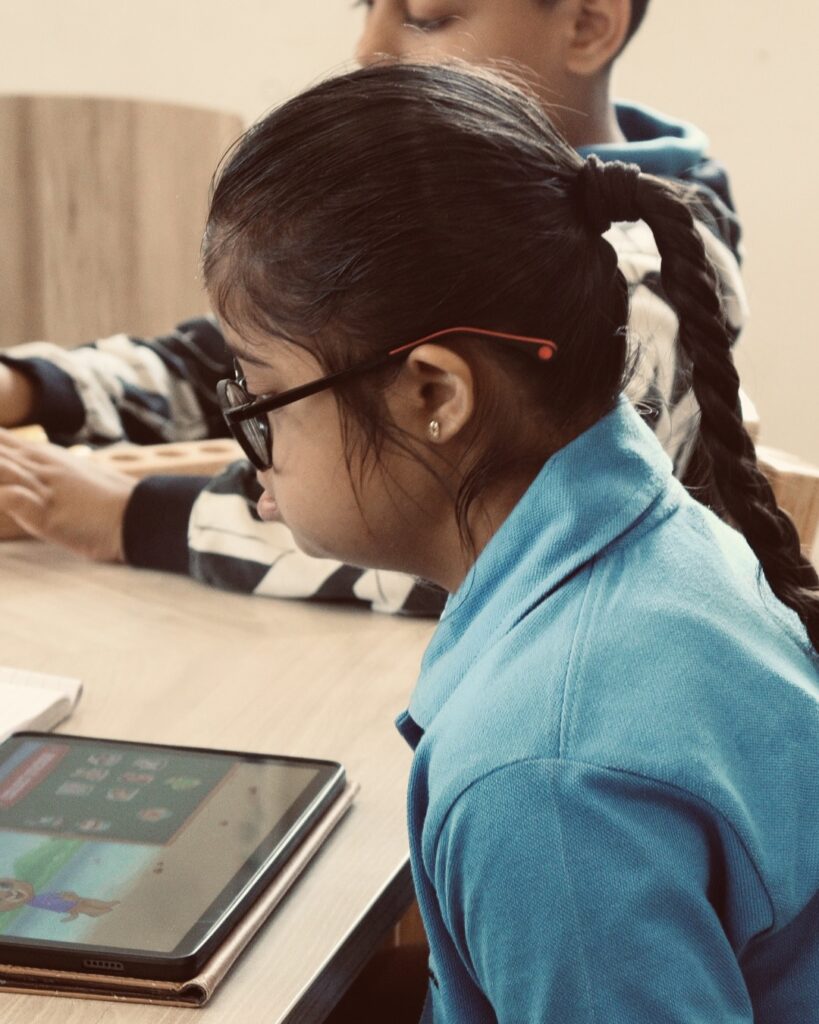
For example, one child named,
Sumedh is at the third psychological level and often screams loudly, which sometimes makes it difficult for him to remain in a regular classroom environment.
But teachers say that he is actually very intelligent and capable. Instead of only seeing his behaviour as a problem, they try to understand what triggers these reactions and how they can help him manage them. Certain strategies have helped him.
For instance, sometimes he is allowed to listen to songs through headphones, or calming audio is played to reduce stress. These small techniques help him relax and focus better, it shows that sometimes very simple solutions can make a big difference in the comfort and behaviour of children with autism.
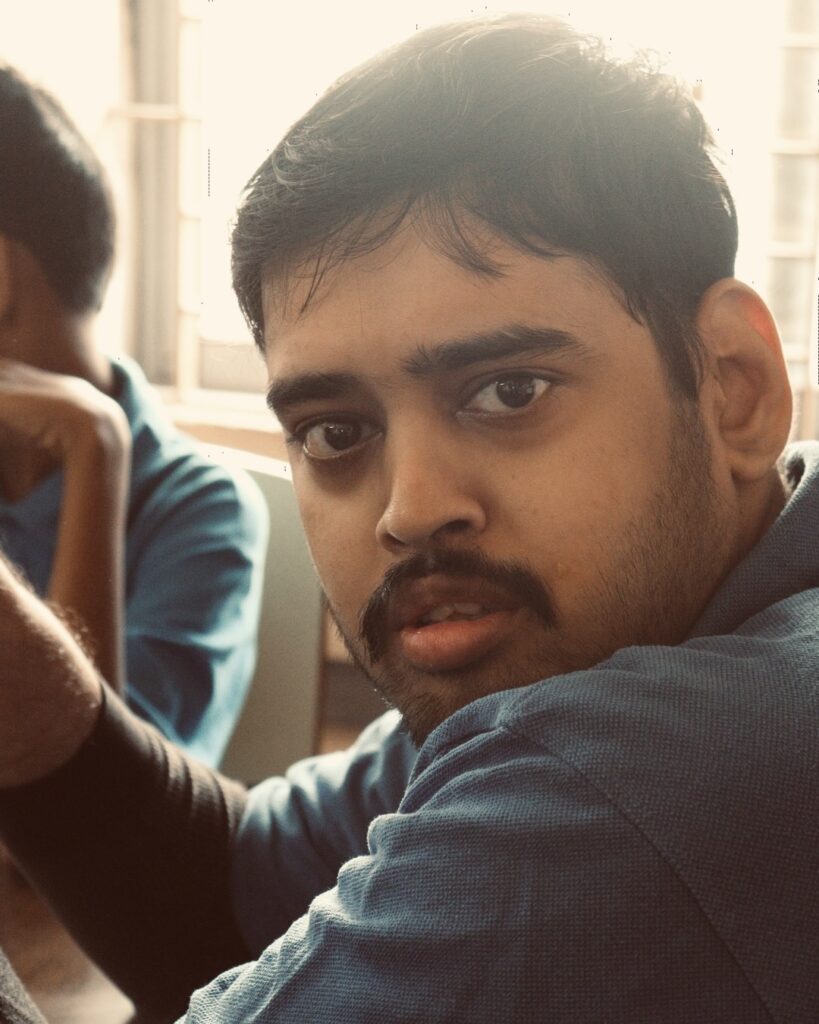
Outside supportive environments like the NGO, these children also face many challenges. In public spaces or schools, people do not always understand their behaviour, and sometimes this leads to bullying, teasing, or exclusion.
For parents and teachers, this becomes a constant concern because they know that the child is trying their best but society is not always patient enough to understand.
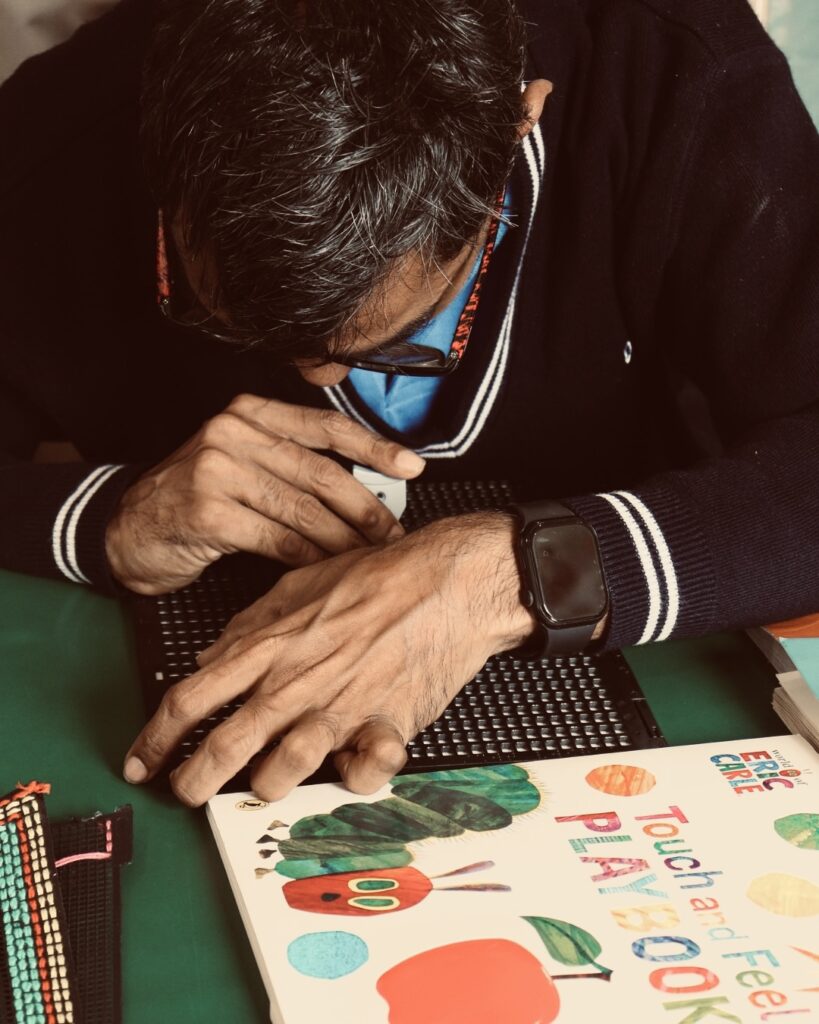
Despite all these obstacles, the children continue to learn, adapt, and express themselves in their own ways. Their progress may not always follow the usual standards that society measures success with, but their growth can be seen in the small steps they take every day.
Spending time with them makes you realise that their abilities cannot only be measured through marks, speech, or conventional achievements, but through the unique ways in which they communicate, learn, and experience the world around them.