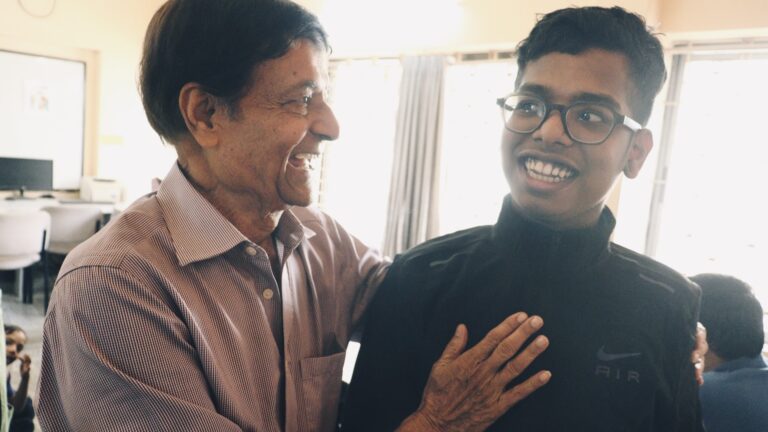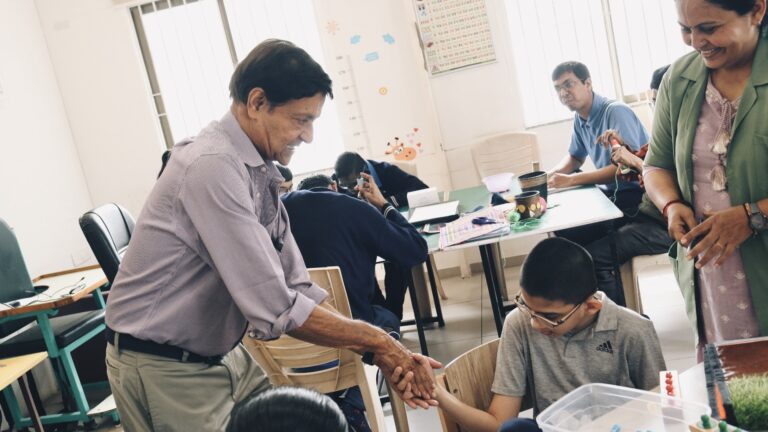
It slowly became clear that for them every day is filled with learning, patience, and constant effort.
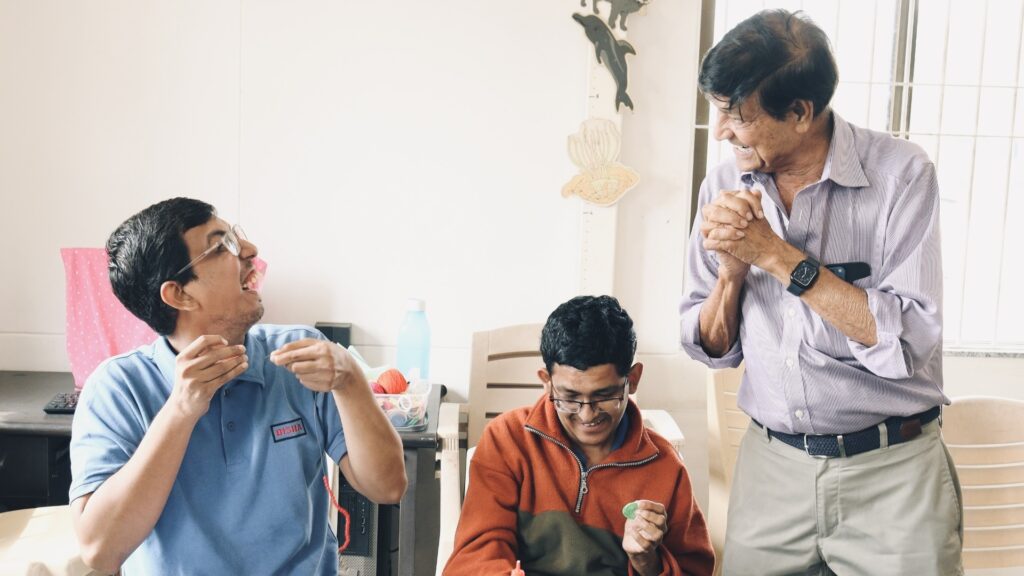
Spending a day at the centre gave a deeper understanding of the lives of specially abled children and their mothers.
It slowly became clear that for them every day is filled with learning, patience, and constant effort, not just from the children but also from the mothers and teachers who work together to support them. Nothing really happens instantly here, everything takes time, practice, and a lot of emotional strength.
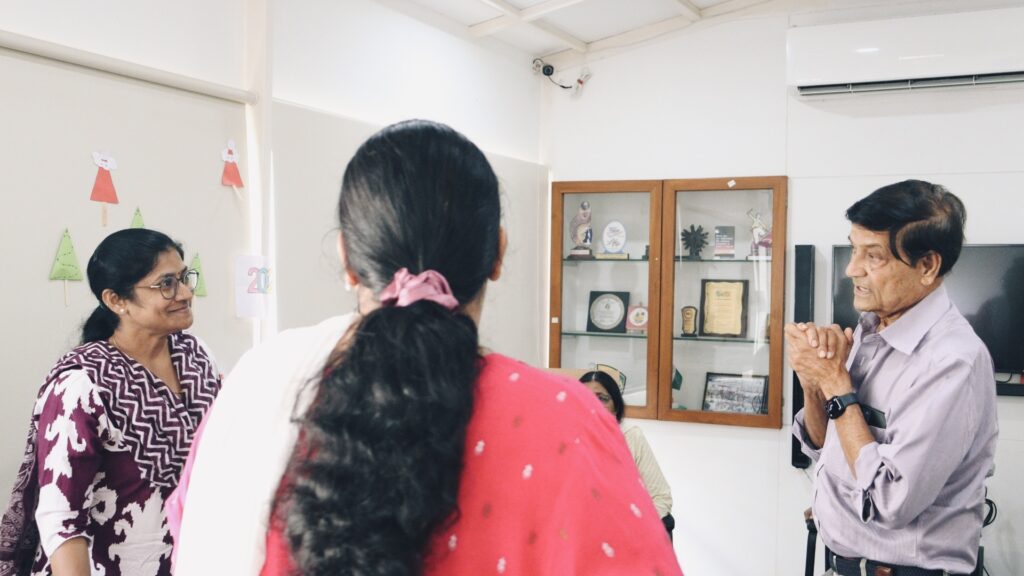
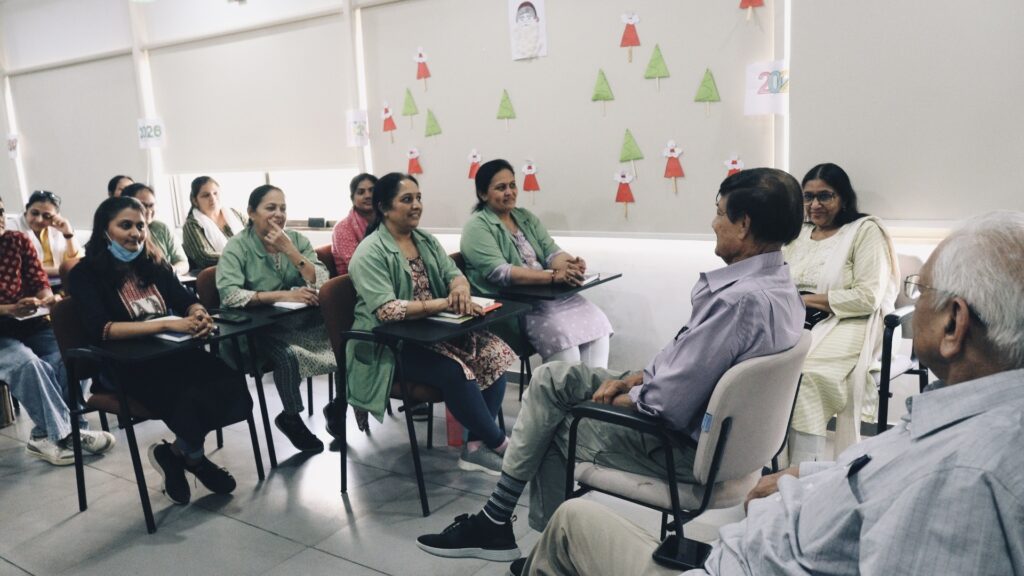
The day started with conversations with mothers who had come to the centre with their children. Many of them were working women who manage their jobs along with the responsibility of caring for their children, while some were housewives who spend most of their day supporting their child’s routines and therapy.
During the discussion they openly shared their experiences, their worries, the doubts they still have, and also the small improvements they notice in their children which slowly give them hope.
One mother shared that she travels almost 100 kilometres every day so that her child can attend the sessions at the centre.
She explained that earlier her son would often bump into pillars and walls because he was not aware of the spaces around him. But now after regular training and therapy he has started recognising spaces and is able to move towards his room and classroom on his own. For her it was not a small thing, it was something she felt very proud about.
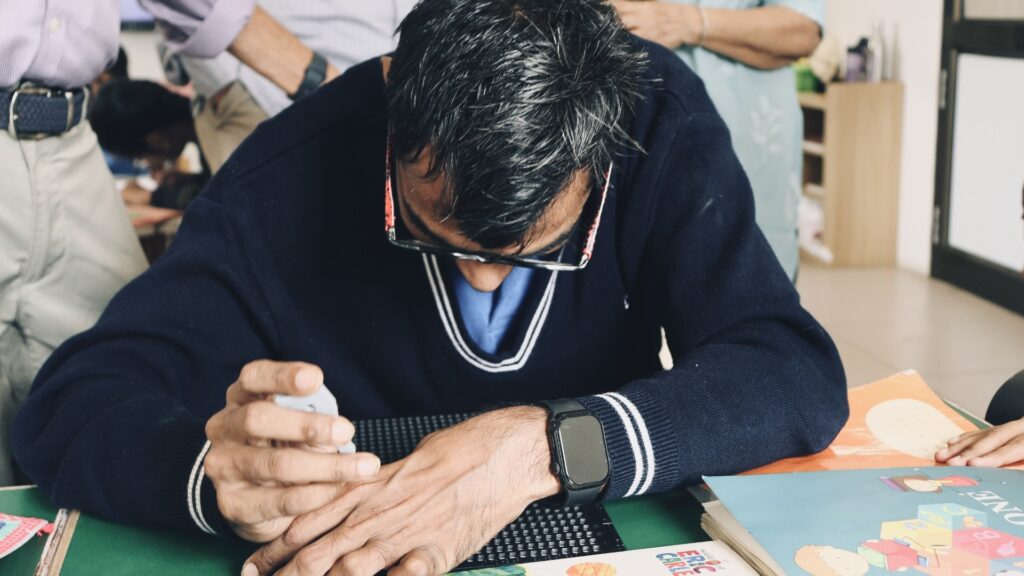
Another mother spoke about the gripping problem her child faces. She explained that holding objects or even doing simple tasks with the hands becomes difficult, and sometimes people outside don’t understand how challenging such small things can be.
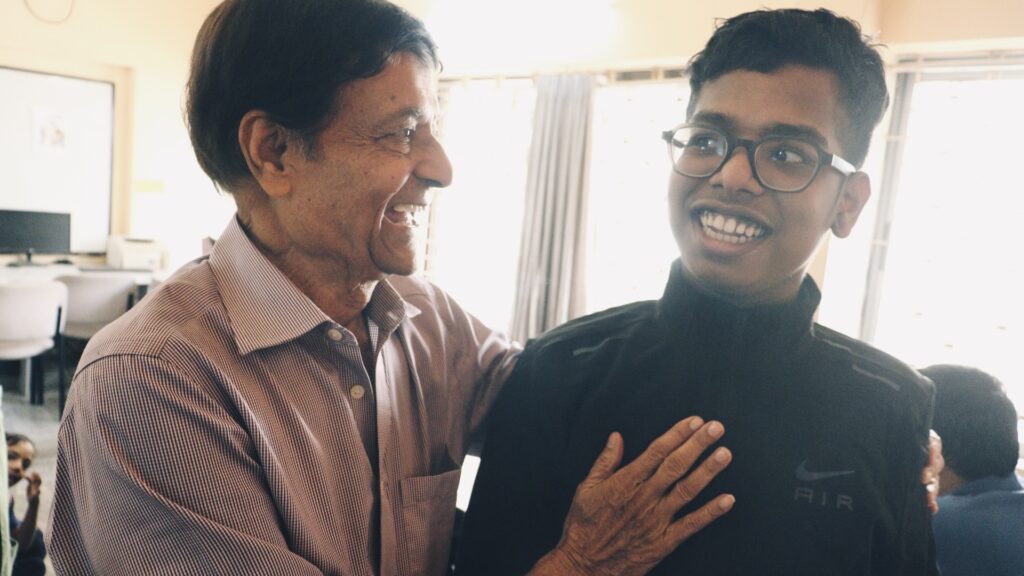
But with therapy and continuous practice the child is slowly learning how to manage these movements better. Technology has also slowly become part of the learning environment.
Some children use tablets and assistive tools during activities which help them engage better and communicate more clearly. These small tools help teachers understand the children’s needs and help children express themselves in ways that might otherwise be difficult.
During the day teachers also explained how different therapies are used depending on the child’s needs. These include speech therapy, sensory training, behavioural modification, and physical therapy.
All these activities are not just about teaching something academically, but more about helping children become independent in their daily lives. One child named Rayan, who has multiple disabilities including vision impairment, intellectual disability, and physical challenges, shows how alternative communication methods can help.
Since verbal speech is difficult for him, communication cards are used. Through these cards he can show what he needs. For example, if he wants to go to the washroom he taps on the card placed near the washroom door. It may look like a small action, but it is actually a big step in communication.
Teachers also work closely with children who have autism.
Their goal is to help them slowly integrate into mainstream education wherever possible, while also providing structured training that helps them manage emotions and communicate better. Activities are designed in a way that reduces stress and helps them focus.
One thing the teachers emphasised many times was that children of the same age do not always learn at the same level. Some children may take longer to understand things, while others may respond quickly. Because of this the learning process here is flexible and adjusted according to the psychological level of each child instead of strictly following age.
For example, a child named Sumedh sometimes screams loudly which makes it difficult for him to remain in a classroom for long periods. But teachers do not treat this behaviour as something to punish. Instead they try to understand what triggers it. Sometimes they allow him to listen to songs through headphones or calming sounds which helps him relax and regain focus. These small adjustments actually help a lot.
Parents are also guided during this process because caregivers play a very important role in the child’s development. Teachers often remind mothers that reacting with anger, hitting the child, or locking them in a room will not help.
Instead patience, understanding, and consistent support are needed for the child to feel safe and learn slowly.
The conversations also touched on the challenges families face outside the centre. Some mothers spoke about private schools where parents are asked to bring their own specially abled mentor to sit with the child in class. For many families this becomes financially difficult and emotionally stressful.
In many ways, disability also teaches an important lesson to society.
It reminds us that empathy, patience, and understanding are not just good qualities, they are necessary if we want to create a world where everyone feels respected and included.
Sometimes these children may struggle with things that seem simple to others, but the effort they put in every day shows a kind of strength that many people fail to notice.