Why recovery must go beyond survival to dignity, independence, and purpose
A stroke often arrives without warning. In a moment, life pauses; mobility changes, routines break, and independence feels distant. For many, recovery is seen only as survival. But for some, it becomes the beginning of something else entirely.
For Mr. Surendran, a stroke was not the end of the road. It was the point where resilience had to be rebuilt—slowly, deliberately, and with courage. Each small step in recovery required determination. What once felt like limitation gradually transformed into motivation.
Joy of Helping (JOH) believes that recovery should not stop at medical stabilisation. True recovery includes dignity, self-reliance, and the ability to participate meaningfully in life again. Through its support, JOH enables individuals like Mr. Surendran to move beyond dependency and towards economic empowerment.
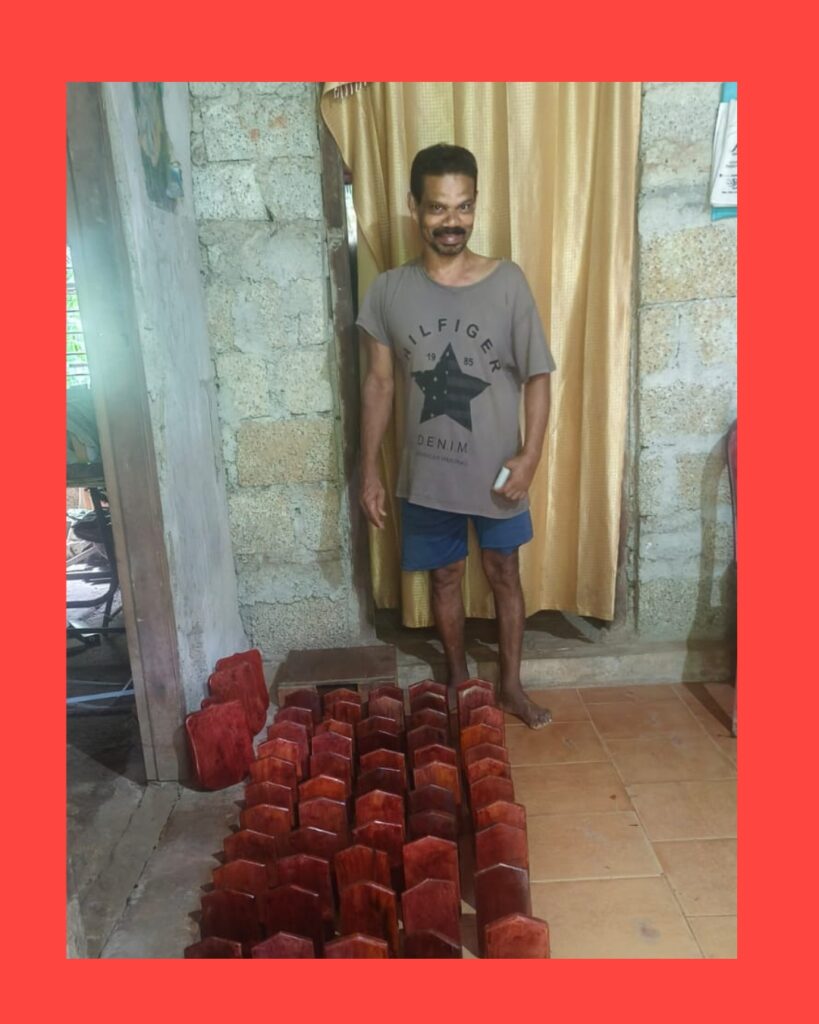
Today, Mr. Surendran is not defined by what he lost, but by what he rebuilt. He runs a business, manages his work independently, and inspires others navigating life after disability. His journey reminds us that empowerment is not about charity; it is about opportunity.
JOH’s approach focuses on second chances. By supporting livelihoods, confidence, and independence, JOH ensures that individuals recovering from disability are not limited to survival alone. They are supported to reclaim purpose, productivity, and self-worth.
Disability is often spoken about in terms of loss; loss of strength, mobility, or productivity. What is spoken about far less is ability: the ability to adapt, rebuild, and contribute in new ways. Joy of Helping (JOH) challenges the narrative that life after disability is only about survival. Its work is rooted in a belief that people recovering from illness or injury deserve more than sympathy. They deserve support that recognises potential.
Mr. Surendran’s journey reflects this shift. After his stroke, expectations around his future were limited. Many assumed that work, independence, and leadership were no longer possible. But with determination and the right support, he rewrote that assumption.
The holistic approach looks beyond medical recovery. It focuses on restoring confidence, enabling economic participation, and supporting individuals to define success on their own terms. By investing in skills, livelihoods, and self-reliance, JOH helps individuals move from being seen as “patients” to being recognised as contributors.
This is what ability after disability looks like; not denial of struggle, but refusal to be defined by it. It is the understanding that productivity can take new forms, and dignity lies in choice and independence. Supporting ability after disability is not just empowering individuals; it reshapes how society understands recovery. JOH continues to support journeys that prove one truth clearly: survival is only the beginning.